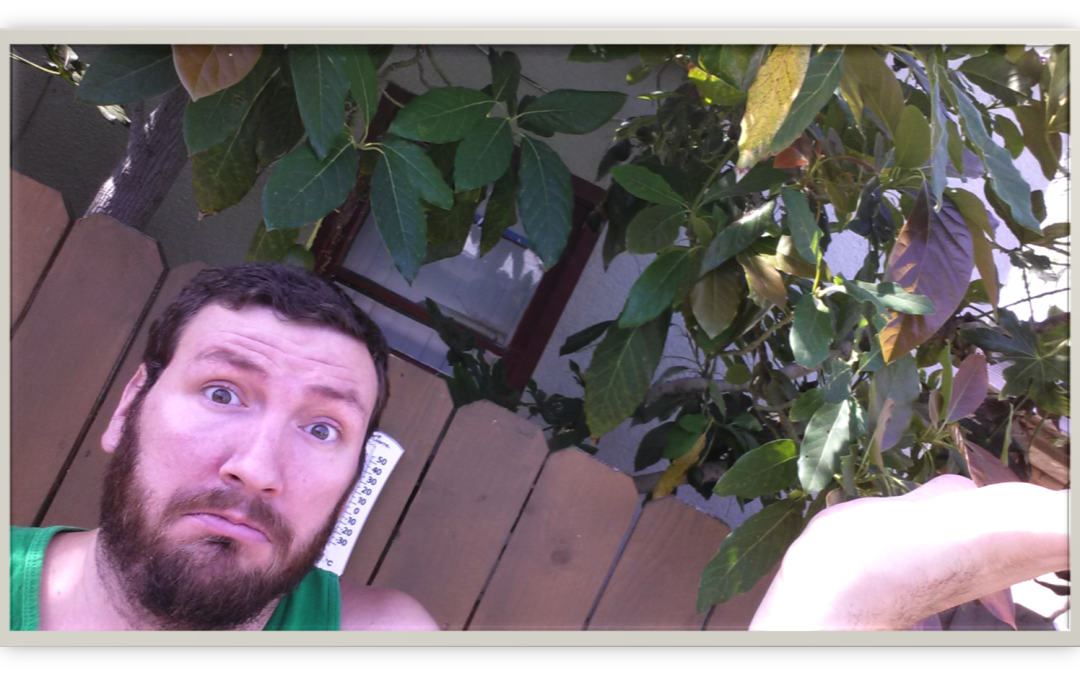
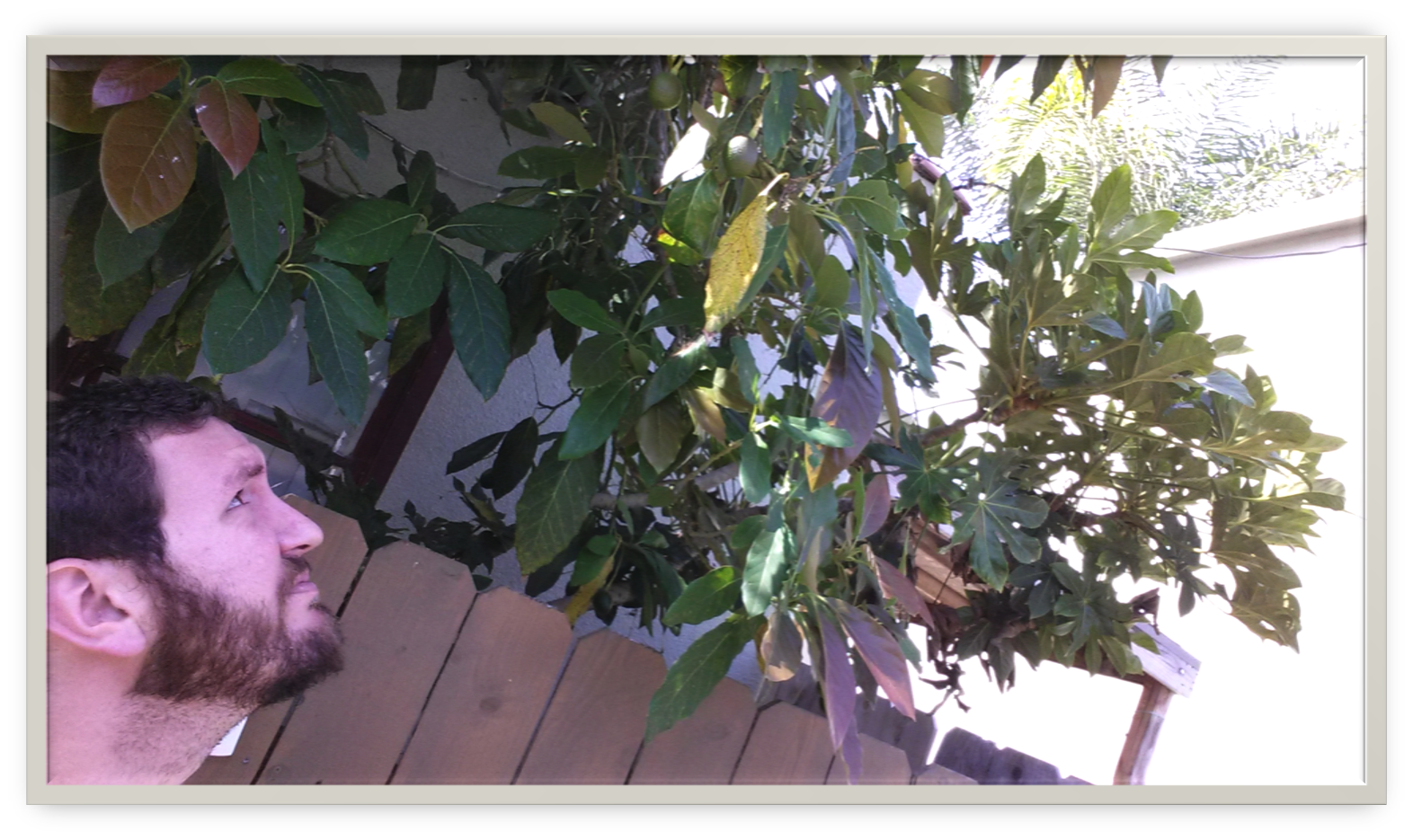
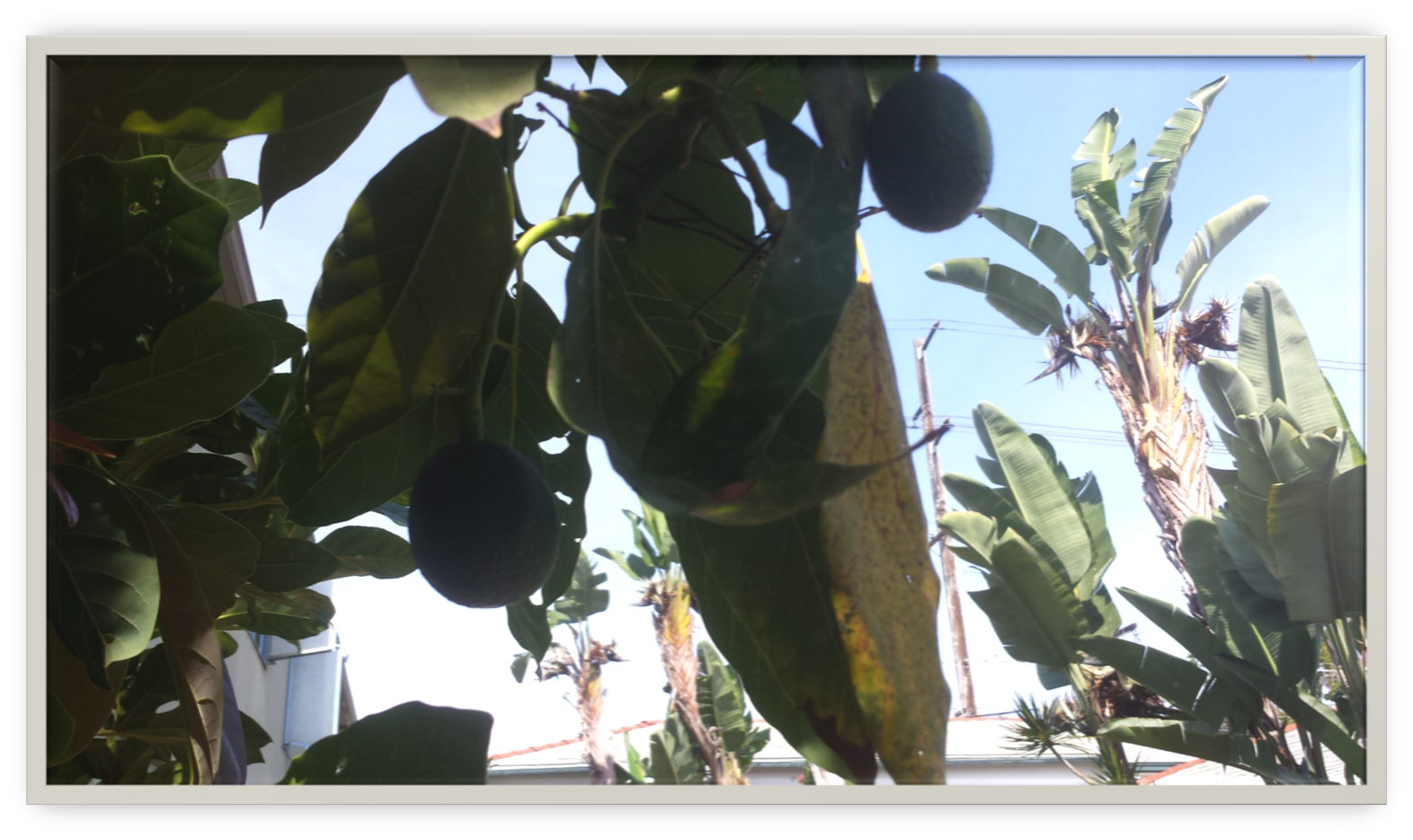
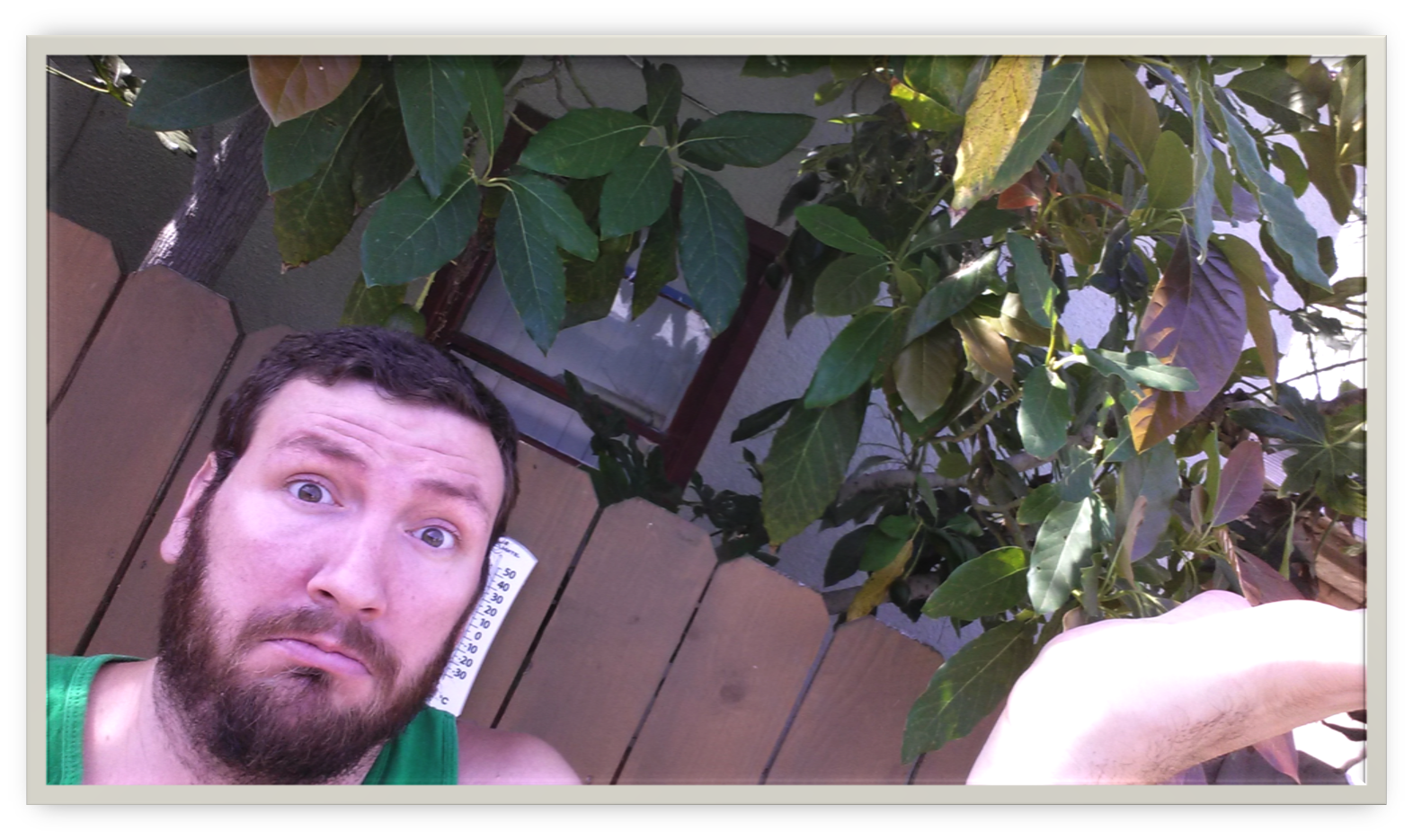
I learned two things today. I learned that we have an avocado tree in our yard. And I also learned that avocados grow on trees.
Okay, so technically its in the neighbors yard, but it leans over our fence and we are 100% going to benefit from the tree once the avocados are ripe. (Pro-tip: I don’t personally like fresh tomatoes, so I make guacamole with diced naval oranges. Second Pro-tip: Also delightful with pomegranate seeds)
“Great, Greg, thanks for rubbing that in our non-bearded faces.” I know, I know, trust me, there’s a point.
I’m telling you all this because I had a realization when I learned that it was an avocado tree. It occurred to me that I didn’t know avocados grew on trees. I’m 30 years old, and this week was the first time it occurred to me that avocados grow on trees. I mean, sure, it makes sense. And I guess if you had asked me, I probably would have guessed that they grew on trees, but I had never devoted an ounce of energy into thinking about something so obvious.
This got me thinking. There are things like that throughout the rest of our lives as well. Things that are so obvious that they can be hard to see.
A few weeks back, Sara and I were back in Michigan for a wedding in Kalamazoo (possibly best known as the hometown of Derek Jeter or for its mention in the literature of Dr. Seuss). And before heading back to the wedding I had to contact the Radisson we were staying at to shorten our trip by a night. We had decided to spend one extra night with family, and one fewer night at the hotel.
So I called the hotel, and shortened the trip, here is how the conversation went:
“Okay, Mr. Jenkins, we’ve adjusted your trip. I have a new reservation confirmation number for you. Let me know when you’re ready.”
“Oh, actually, I’m driving right now and am not in a position to write it down. Would you mind just emailing it to me?”
“I’m afraid I can’t do that. Our system only sends the initial confirmation. Sorry.”
“Oh. But, you can see the confirmation number, right?”
“Yes sir.”
“And surely someone in your office has access to email, right?”
“Yes, of course, but the system we use doesn’t send updated confirmation numbers, only the original number is sent out.”
“Right. Nevermind.”
I backed off at that point, gave a heavy sigh, and decided to roll the dice and travel without a confirmation number (because I like to live dangerously).
Of course they have email. And of course she could have written the number down herself, and sent it to me. But this didn’t even occur to her. And it’s not her fault. She is a product of the climate she works in, and has never been empowered to think critically or to take ownership and just do what was best for the customer.
This was a valuable reminder for me that even with all the advancements in technology:
People are still our safety net.
People can rationalize. We can think creatively. And we can empathize. This is what sets us apart. You, and the people you work with, are the fail-safe when something doesn’t fit within the system you’ve built.
Automation is most powerful when used to multiply people, not replace them.
I’d love to hear if you’ve had a story like this, if you have a guacamole recipe, or if you feel Kalamazoo is best known for something else.
Many of you probably remember a song from the late 90’s from punk band Blink 182, titled “All The Small Things”. But you probably listened to it, bobbed your head a little, and like a number of other punk, rock, and pop rock songs during that era then dismissed it without really digging into its message
Well, I’m not an expert on pop rock, or music in general, but I know a struggling entrepreneur when I hear one. My contention is that that song, “All The Small Things”, was really about hard work, the small business spirit, and marketing automation.
“Late night, come home, work sucks, I know.”
How many of us have felt this? You spend way longer than you should have working on a project that maybe isn’t even the best use of your time? I think that this reality is far more prevalent than people are willing to admit.
Okay, so maybe Blink 182 wasn’t really talking to entrepreneurs, but when I hear them sing “All the Small Things”, I can’t help but think about how many small things an entrepreneur spends his or her time doing, when she’d rather be doing something else.
Why did you get into business?
You probably started your business because you’re passionate about what you wanted to do.
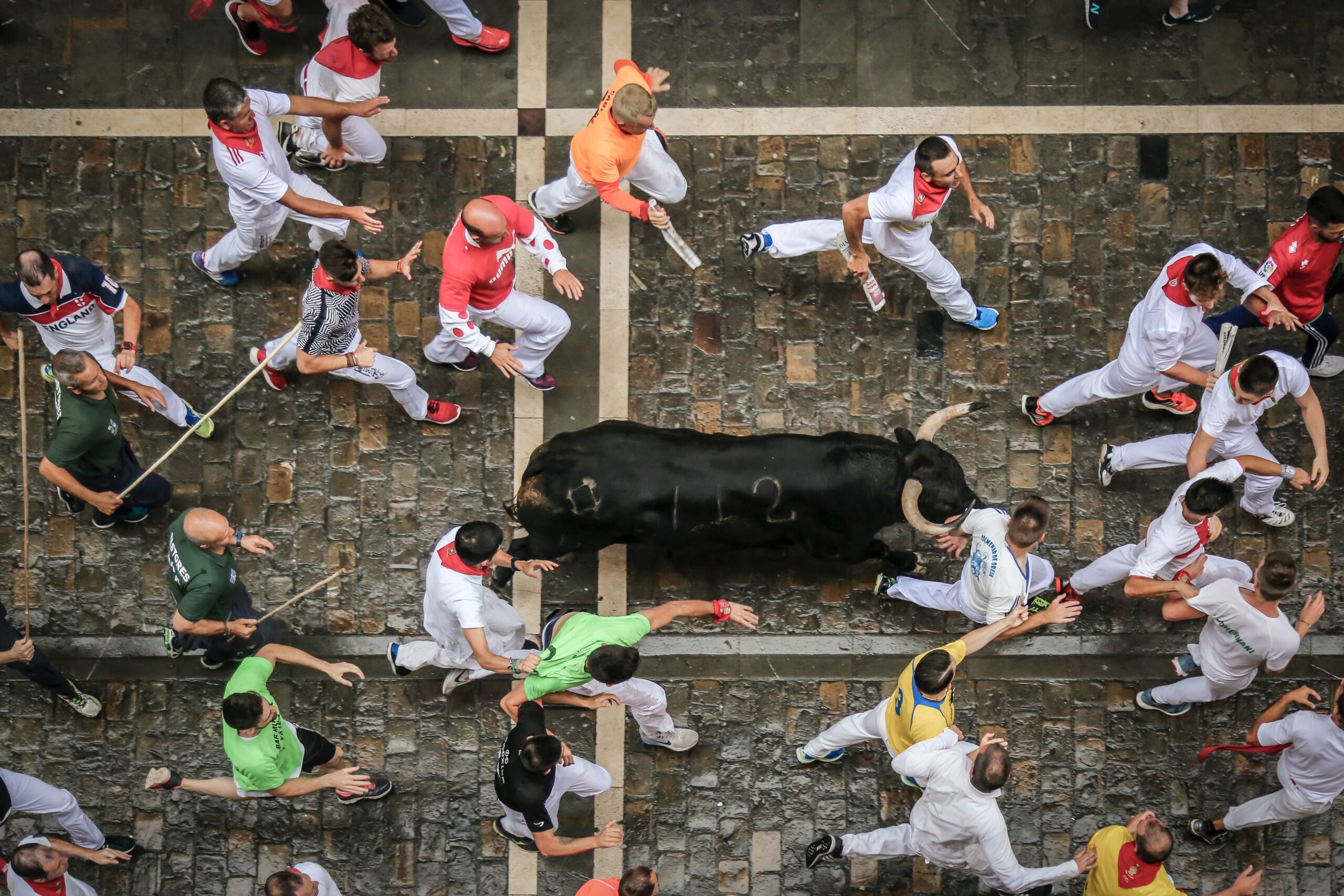
Whether it was teaching yoga, practicing law, helping people plan trips to run with the bulls in Pamplona, or any other number of things – the reality is that in order for you to do the thing you are passionate about, and best at, you also have to do the detail stuff too.
You have to do the books; you have to process orders; you have to hire and fire; you have to collect outstanding receivables, and the list goes on and on
Well, the first step to getting out of that rut and back to focusing on what you are best at, and most passionate about, is introducing automation to take one thing off your plate at a time. Start with all the small things. (see, there’s that song again!)
Here’s one thing that every single business can do to begin automating the small things, and focusing on what they’re best at.
Build an Keap FAQ Campaign with FAQ email templates for the questions you have to answer most commonly. I think most of us have had this experience:
You receive an email from a prospect with a question about your product, or your pricing, or your event dates. And you realize that this email looks remarkably similar to one you received last week. So you spend 30-45 seconds searching through your sent folder for the email you already composed, you copy the text from that one, paste it into a reply, spend another 30 seconds proofreading it, editing, and then queue it up and send it out. If you’re really good, you then make a note on that contact in your CRM to log the interaction. Then, pat yourself on the back for feeling clever and pour yourself another mojito.
Does that sound familiar to anyone? Well, sure, that’s probably more efficient than writing out a brand new email from scratch, but with Keap, or whatever your marketing automation platform of choice is, there is a considerably easier way. I challenge you to make a list of the things that occupy your day that aren’t the best use of your time, order it by the things that take up the most time, and seek out ways to introduce automation.
Use the video below to get started with an Keap FAQ Campaign. And feel free to comment below with any success stories, or tricks that might help others. Good luck!
Have you ever had an experience where you walked away knowing you just tasted something world class?
An interaction with someone that was so overwhelmingly positive that you sought out multiple ways to write them a review?
Maybe you went back just to make a note of their name so you could tell someone else about it?
These are the types of experiences that have an impact on us, and under the right circumstances, they can actually change us.
In February of 2014 I was fortunate enough to visit Maui as part of Infusionsoft’s President’s Club (a reward trip for high-performing employees).
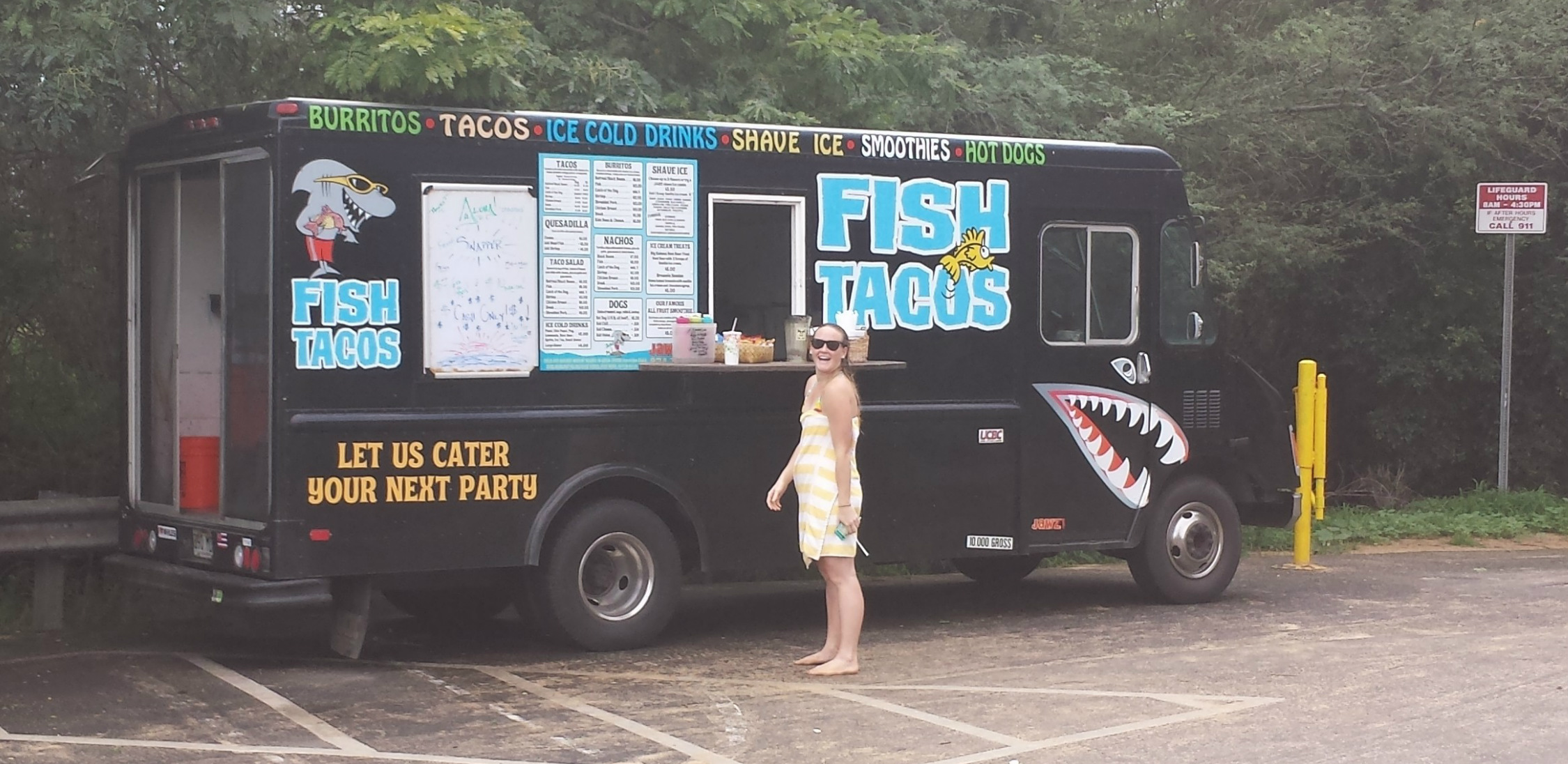
During this trip Sara and I had outstanding meals at a number of restaurants ranging from the sketchy burrito food truck in the beach parking lot at Makena State Park beach, to the hundred dollar brunch buffet at the Andaz hotel.
We were on Maui for a little less than a week, and each day was packed with highlights (touristy ones, to be clear). We went whale watching, hit up a luau, and we spent a breathtaking day exploring waterfalls and beaches on the road to Hana.
To make a long story short, I’d recommend a lot of things from that trip.
But as incredible as each day was, only one of those experiences changed my life.
And apparently this restaurant has the recipe for greatness.
I know how silly it sounds to say that eating at a restaurant changed my life (we went four different times), but the reality is that a little over a year later I named my company after this place.
The Monkeypod Kitchen gets it.
When I say they get it, I mean they really get it.
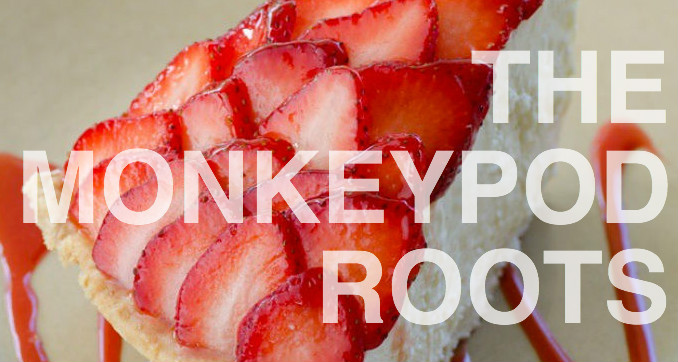
Every single detail has been thought out. Every element of the dining experience is intentional. Their menu is carefully crafted to not only feature high-quality, delicious meals, but also to be socially conscious and to support local communities. Their beer and wine selections are extensive, their welcoming and relaxed ambiance is infectious and their dessert menu, specifically the various pies, is absurd.
The Monkeypod Kitchen raised the standard for what I had grown to expect from a good restaurant.
I’ll wrap this up with 4 take-away points:
1. Is the customer experience you’re creating intentional? Who has spent time and energy crafting it?
2. Monkeypod Marketing is committed to exceeding your expectations the way The Monkeypod Kitchen exceeded mine.
3. Make a mental(or literal) note the next time you experience something world class. Bottle that inspiration.
4. If you’re ever fortunate enough to find yourself in Hawaii, make time to visit The Monkeypod Kitchen. Save room for pie.
Want to know when we post something new and awesome?