The Power of Showing Up

The Power of Showing Up

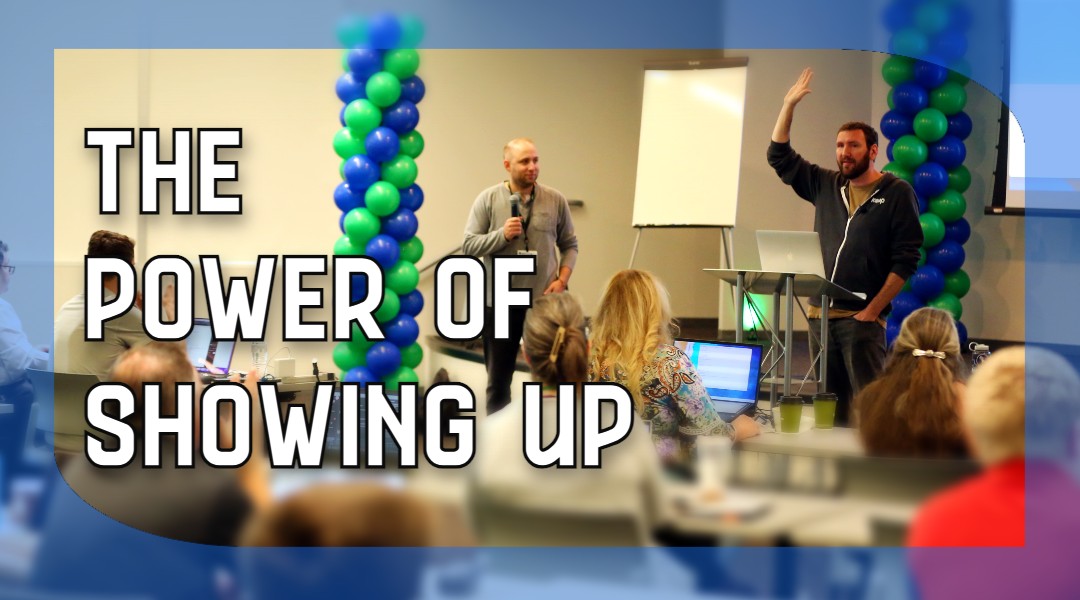
Recently I had the absolute pleasure of assisting the Keap Academy team as they hosted an intensive workshop. Keap users from near and far made the investment to show up for 2 full days of in-person, hands-on app and strategy training. As a Keap Certified Partner, they welcomed my presence so that that the attendee/teacher ratio was as low as possible. This was amazing, as many attendees got a lot of one-on-one face time with trainers and experts as they strategized and implemented.
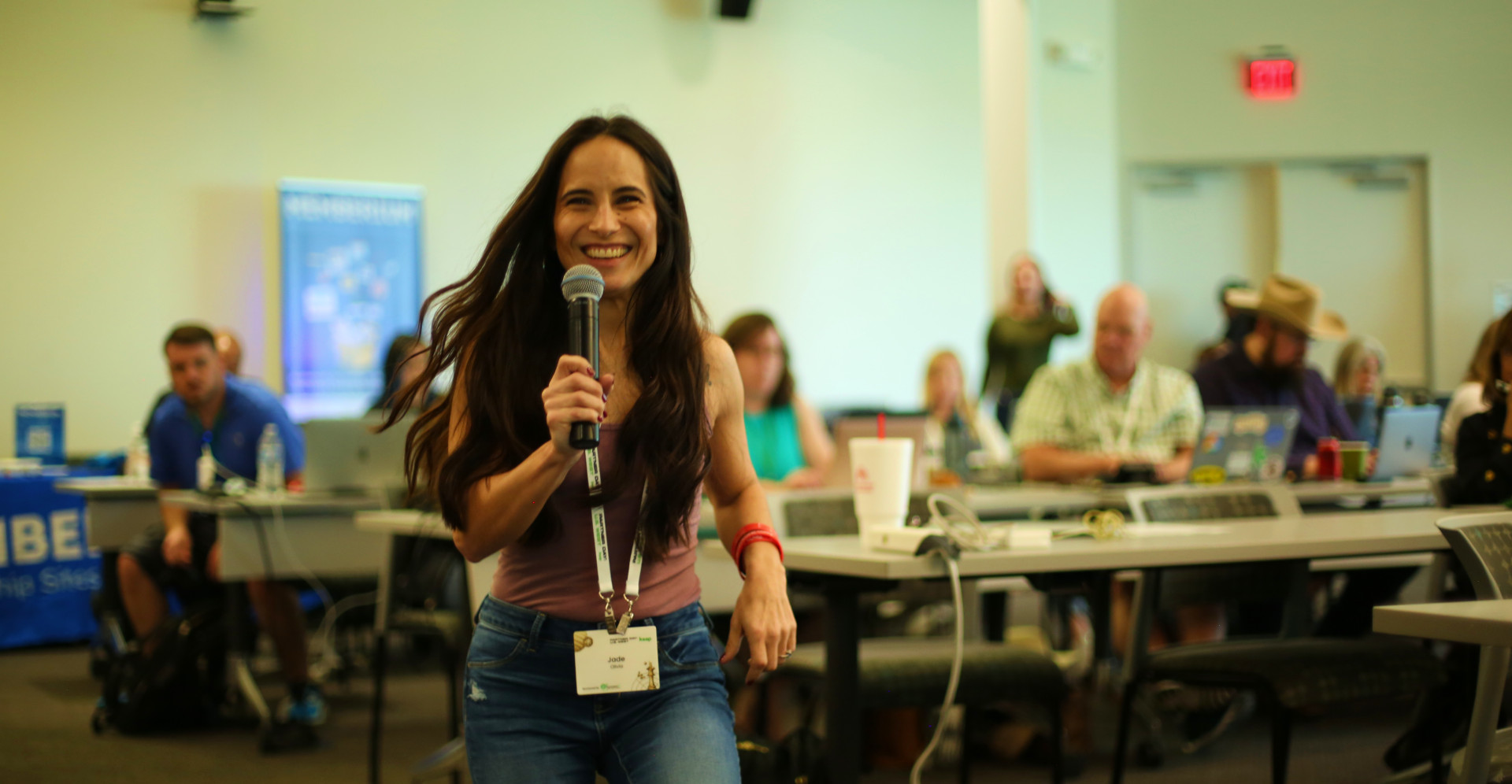
Jade teaching at Automation Lab

As “normal” as this event was, to be honest I am still blown away weeks later. I often feel a rush of awe and appreciation after in-person events, but there’s more to it than that. I want to unpack and articulate why I constantly feel that way, and to turn it into a learning moment for us all.

Before I dive in, I want to be clear that I can prove there is a lesson and ROI after all. At the risk of sounding self-deprecating, as an automation consultant I can sometimes be the cobbler with no shoes. I often spend more energy on my clients´ businesses than my own (sound familiar?).

And yet, I find my consultancy to be booming despite not having put together many systems in place for myself. After a couple years of beating myself up over a lack of strategy, I realized I had accidentally been employing a strategy all along — this “show up” strategy.

When in a room full of Keap users, it never ceases to amaze me how varied and eclectic peoples´ strengths and expertises are. Some people are more creative than techie, some are both or neither. When it comes to the app itself, it is equally as fascinating to learn how people’s brains can easily or not-so-easily grasp the automation concepts and execution. I have met business owners with no formal education who can build complex automation systems, and I have met highly educated professionals who require extra time to learn the basics. This recent Keap Academy event was no different.
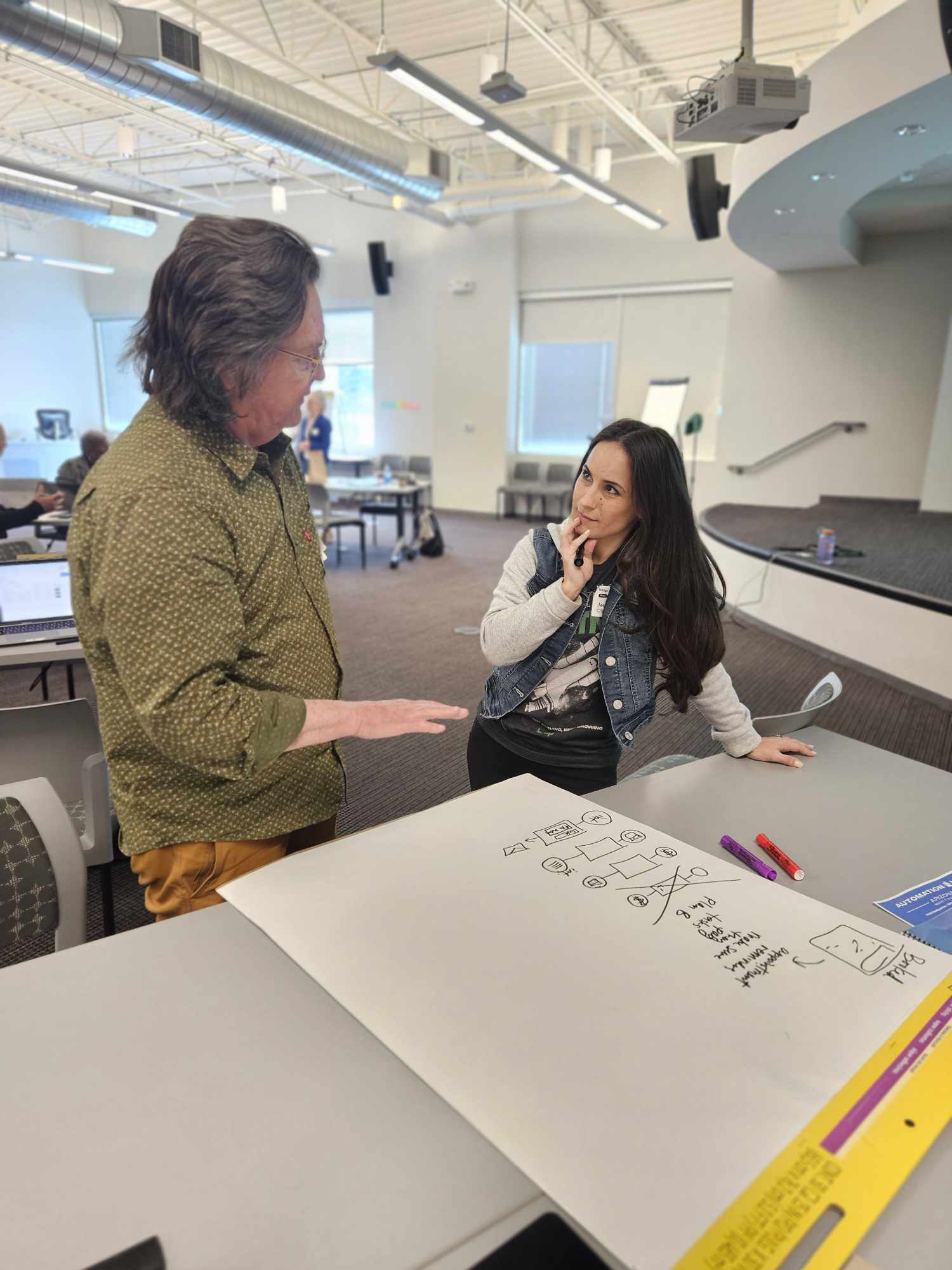
Jade and Walt

But you know what they all had in common? They showed up. Newbies and veterans sat side-by-side to learn and build automation.

Here’s the kicker, though. The real value they all received at that event had, in my opinion, nothing to do with software. It was the cumulative energy and ideas they got from just being there alongside their peers. They could have watched some of the excellent Keap Academy courses or subscribed to the Monkeypod YouTube Channel, and they would have learned a lot (I still do).

But a limitation there is that they’d be learning from a single perspective, no matter how knowledgeable that perspective might be. The beauty and opportunity lies in the diversity of knowledge, experiences, and expertise combined. (Another example of the whole being greater than the sum of its parts, I think.)
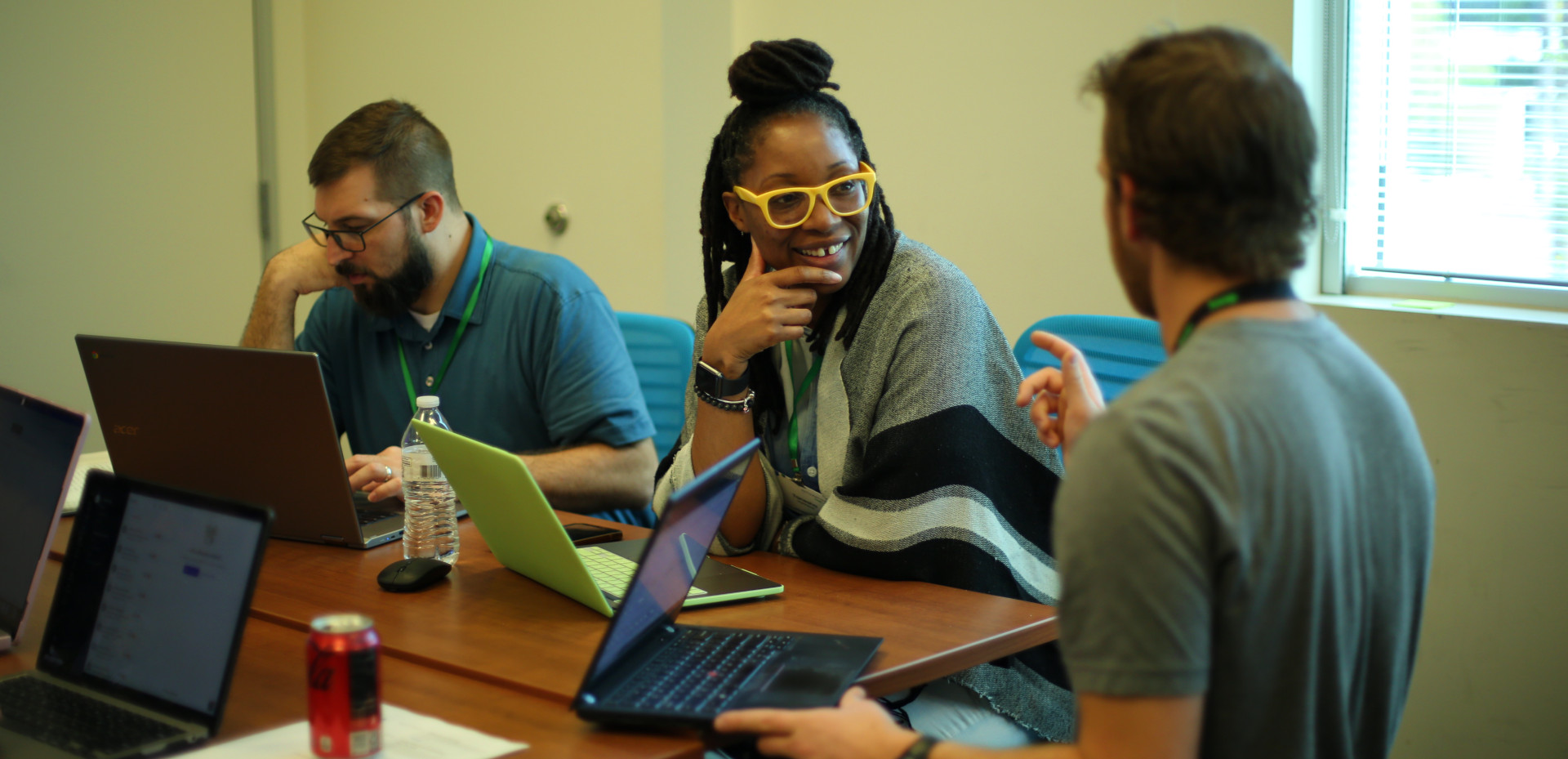
addison automation lab

You see, the blessing and curse of automation and technology is that there are so many ways to skin the cat. Even the simplest of tactics could take shape in dozens of ways. For example, something as straightforward as “landing page collects contact info and then delivers a free pdf lead magnet via email” has so many variations that we couldn’t possibly say “just build it like this” and it would work for everyone perfectly.

To some, this is a challenge, for others – like the kind of people who “show up” – it is an opportunity.

Here lies the lesson: You’ll never know what other possibilities are out there unless you mingle with people who have tried it other ways.

None of us know our own blind spots – that’s kind of the definition of a blind spot.

As I write this today is my 5 year anniversary of joining Monkeypod Marketingˋs OG Membership. Many of you know me as the Community Manager there, but before that I was a paying member.

This is just as true today as it was 5 years ago: I get more value from other people’s questions and ideas than from any question or idea I could have thought to ask. It’s not what you know, it’s what you don’t know.. yet.

Maybe more to the point, it’s WHO you know. If I didn’t invest in myself to have the privilege of sharing space with other creative and smart entrepreneurs and experts, I wouldn’t know half of the cool strategies and tricks that I do.

When I signed up, my company wouldn’t cover it so I paid for it out of pocket – I didn’t know what I’d learn, I just knew I was hungry to be around the people from whom I COULD learn.
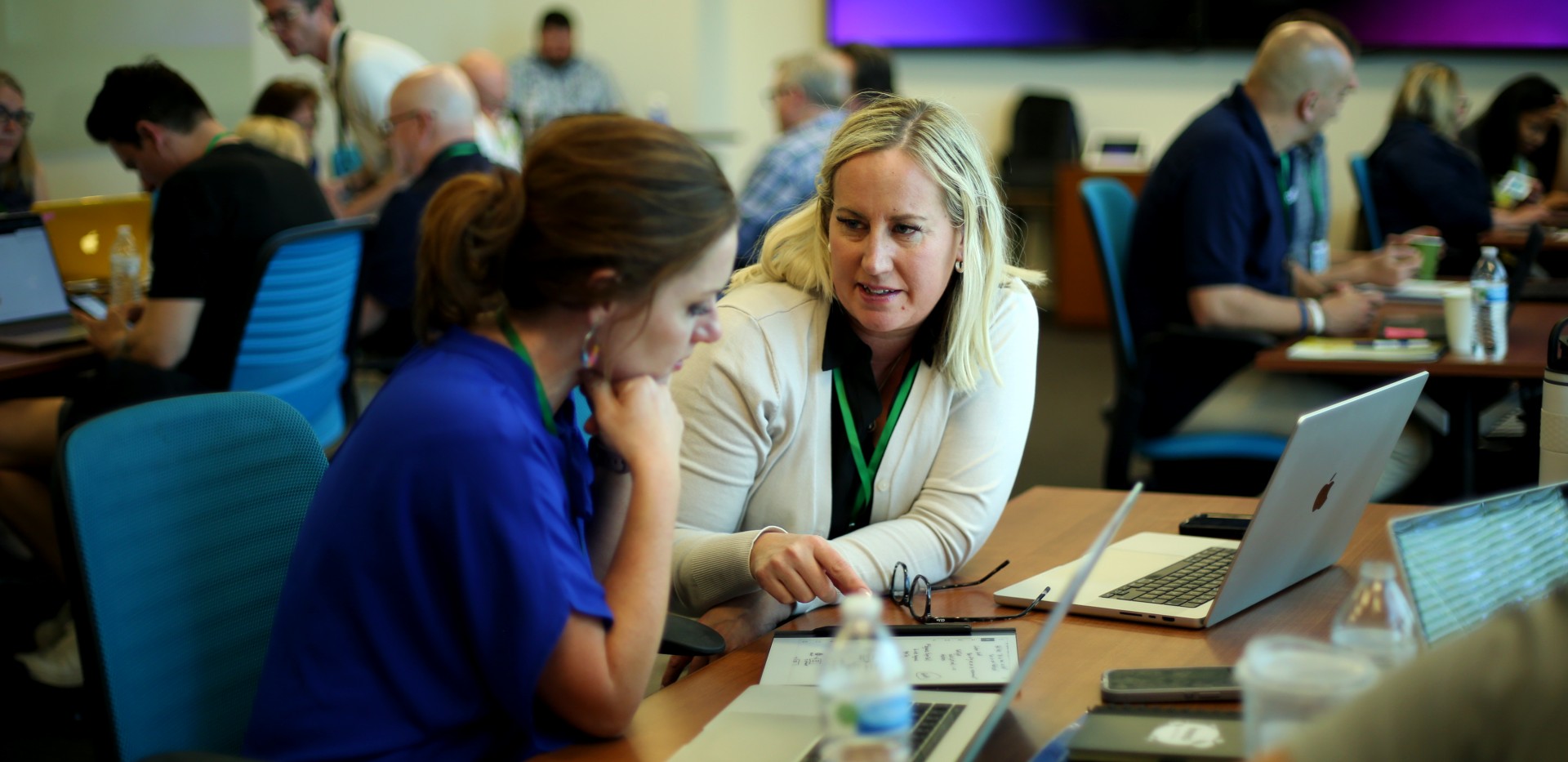
sarah watz at automation lab

Even when it comes to tactics and best practices that are too advanced for me or even out of my wheelhouse altogether, I enjoy being around the people who can do the things that I can’t. I surely will need those people eventually.

My partner Brian, a serial entrepreneur, often says that you’re the average of the people you spend time with. What I took from this was to find as many rooms as I could where I was the dumbest one there.

Admittedly, that’s hyperbole. But the lesson is to make sure you’re surrounded by people who know things you don’t – it will naturally start to illuminate and eradicate your blind spots.
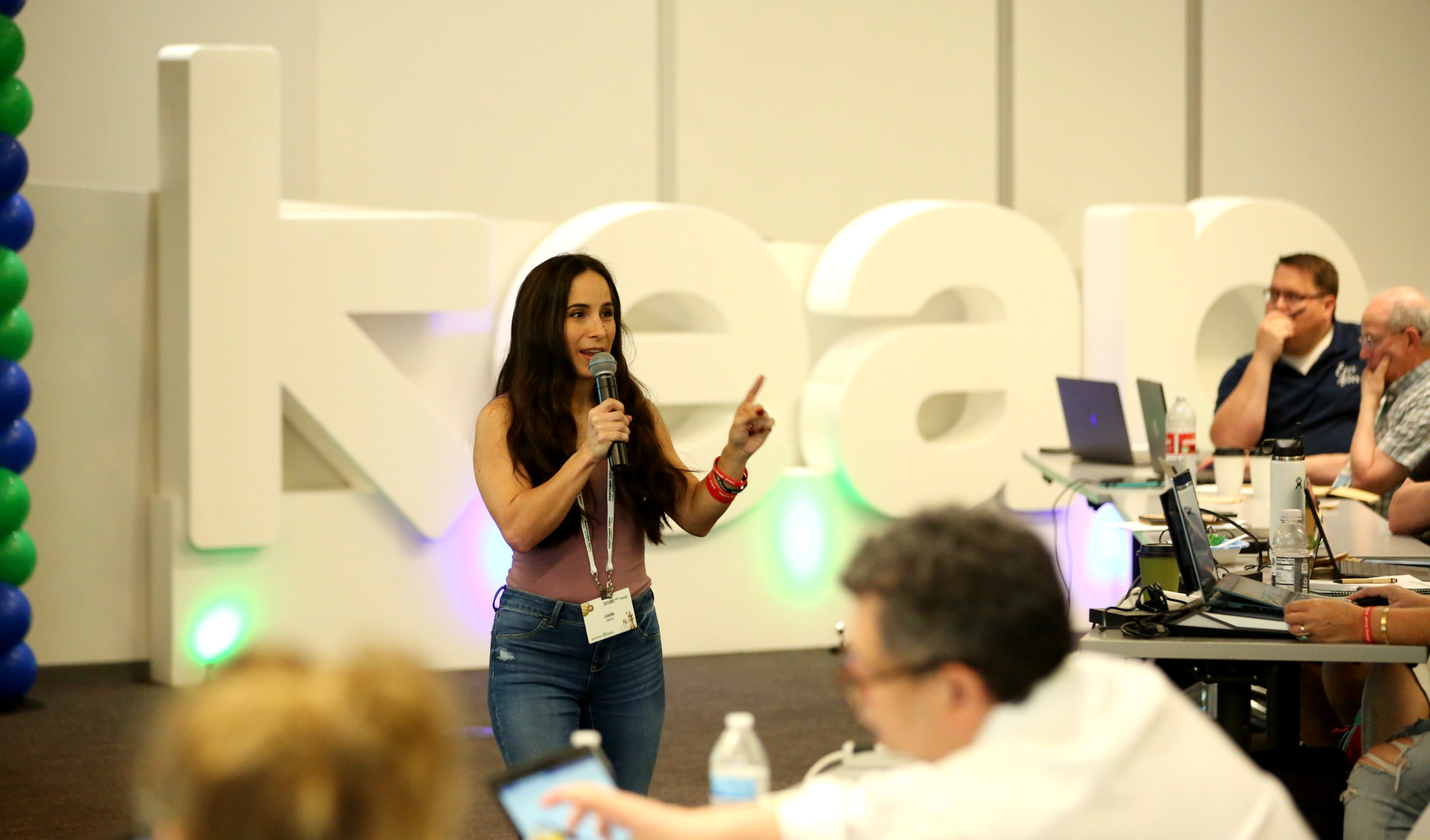
jade teaching in theater

So I find them, and I show up, again and again. If you’re searching for a more specific action item, then I challenge you to come to the Let’s Grow Summit, and any and all other events you can swing. Better yet, come find me there so we can hang out and share ideas.

Those Keap Academy event attendees likely think they were fortunate that I was there to share ideas and teach app implementation. But I assure you, I got the better end of the deal.
 

What is the Customer Journey?

What is the Customer Journey?

The phrase “customer journey” is a household term for many small businesses these days, but outside of being a fun buzzword, it’s also a meaningful concept that can actually improve profitability, customer retention, and help small businesses in dozens of other ways.

What is a customer journey?

Simply put, it’s the experience an individual has with your business over time. From their very first interaction, through to the point of transaction, into onboarding, upselling, and everything else.

And so with that framing in mind, an important recognition for small businesses is that your customer journey already exists.

If you have customers, then they have had a journey.

And once we acknowledge that, the conversation starts to shift into challenging the journey, questioning if the aspects of it are intentional, and identifying areas where it could be improved.

Here’s an example of this conversation, and how you can use the Customer Journey lens to examine the experience your customers are having.

The exploration of your customer journey is a complex conversation, where myriad opportunities can emerge.

What do I do next?

My recommendation is to carve out time to have re-examine your customer journey, on your own or with your team, on a recurring basis.

If you’d like to learn more about the framework I use (and recommend) as a resource to formalize this process, check out the Lifecycle Automation course from Keap Academy.

What should I automate?

If you’re on board with the idea of automation but aren’t sure where it would fit – we’ve built a course specifically designed to help you identify opportunities in the customer journey where we’ve seen automation solve problems and create momentum.

ChatGPT for Small Business: Example Use Case

ChatGPT for Small Business: Example Use Case

How about a practical small business example use case for ChatGPT?

ChatGPT buzz is everywhere these days, but if you’re like me, you may be dragging your feet on exploring it.

So when I saw this demo from Grady the other day, I immediately asked him if I could share it.

He graciously say “Go for it”.

Follow along as Grady asks ChatGPT to help him produce content for social, an outline for a webinar, copy for an email series, and a few other relatable small business use cases.

One thing to pay attention to is how Grady gives ChatGPT feedback when he’s not getting exactly what he needs:

Watching this ChatGPT small business example unfold was fascinating for me, I hope you enjoyed it too.

It was useful to see how the ideas blended from one medium into another, and how Grady lead the bot to wind up with content he could use, that wasn’t too salesy, and all felt aligned to the original topic.

What to do next?

If you want more on this topic, check out the webinar we hosted discussing AI trends and use cases.

And if you haven’t yet, try it out for yourself.

Here’s a link to ChatGPT >>

Feel free to take it for a spin, and let me know how it goes.

5 Lessons from building an Active Membership

5 Lessons from building an Active Membership

I started the OG Membership in 2015 and it’s been my favorite part of my business ever since.

For a variety of reasons, but first and foremost is the pride I get from serving this group, and the validation that comes from watching them grow their businesses.

5 Membership Lessons

I’d be lying if I said that 8 years I knew exactly where I was going. There has been plenty of turbulence along the way..

I’ve invested thousands of dollars and countless hours in learning about memberships, and the patterns to how and why they work.

Here are a few of most valuable the lessons I’ve learned while running my own membership, and building an engaged community.

1. Create a Success Path

I’ve written about this before, but the concept of a success path remains one of the most important membership lessons I’ve learned.

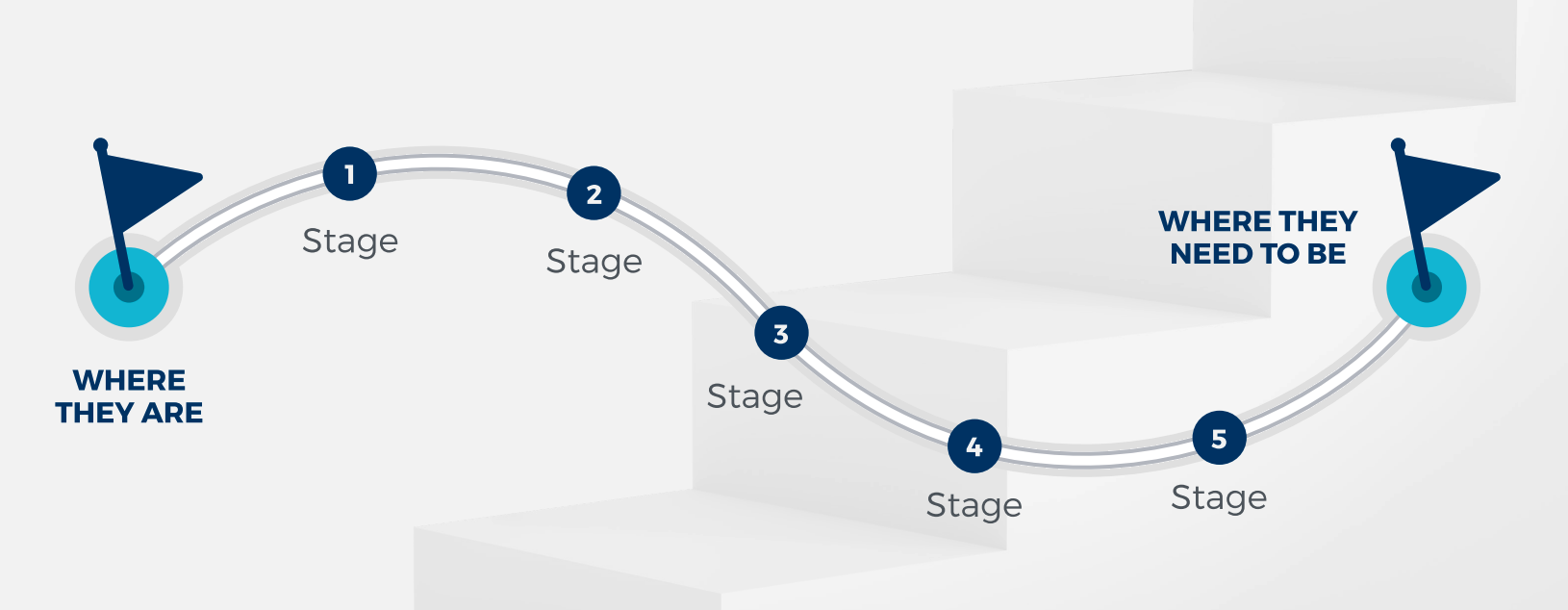
What is a Success Path? It’s effectively a set of stages that help illustrate the progress your membership helps facilitate.

membership journey

It’s the pathway that helps your members visualize the transformation they’re undergoing, but it’s also the framework for the content you produce, and the underlying north star for your marketing efforts too.

2. People pay for less content, not more

As someone who has a blog, and an active YouTube channel, and generally enjoys creating content – this was a tough lesson for me to learn.

But the reality is that if you have a membership, people aren’t looking for you to bury them in content – that’s a quick path to overwhelm.

Instead, your members are looking for help organizing the information and reducing the noise – and generally figuring out how to move forward with confidence.

3. Plan your Member Journey

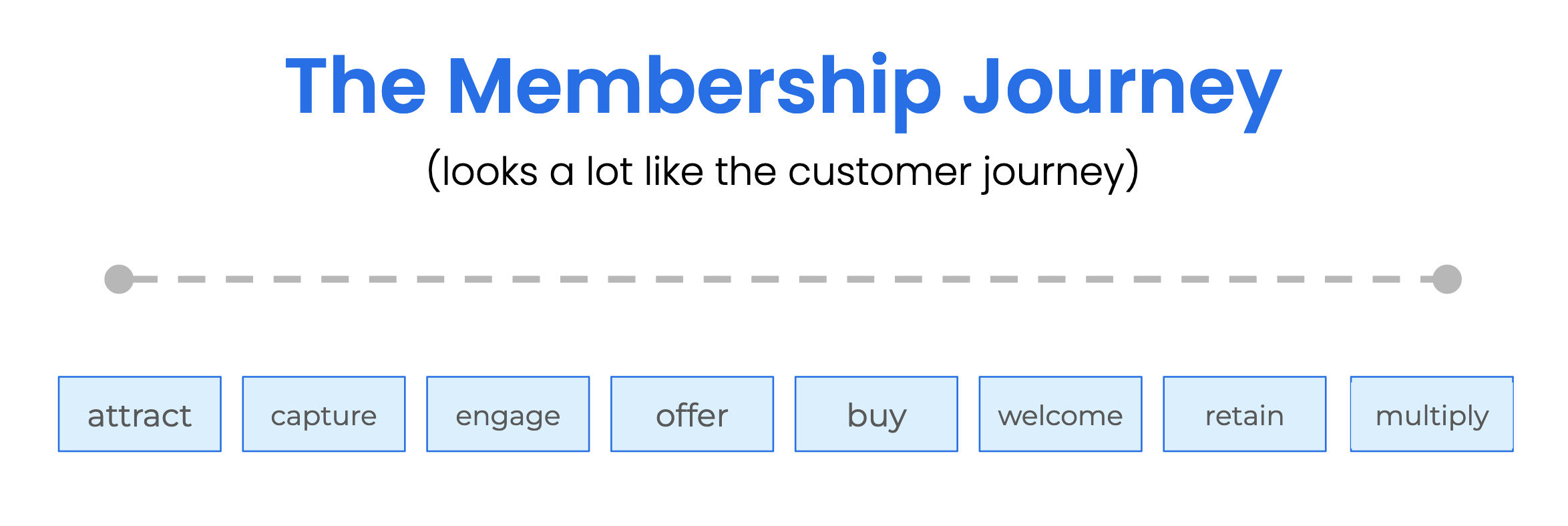
I’ve talked about the idea of a customer journey at length, but a similar concept can be applied to your membership.

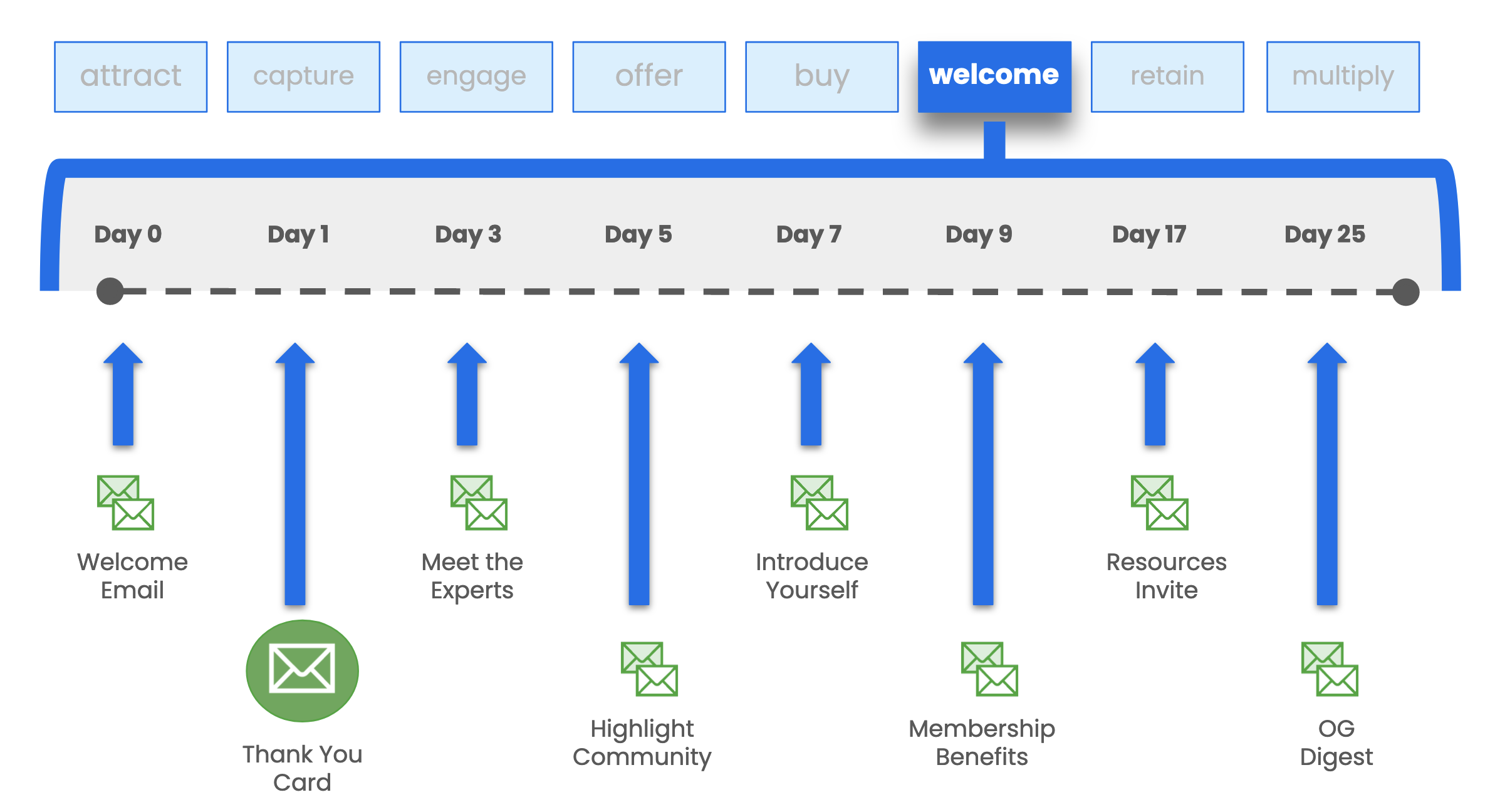
Here’s an example of what those stages might look like:

membership journey

As useful as that framework can be – each of those stages can represent a weeks or months of a customer journey.

Let’s dig into the “Weclome” stage, and take a look at what a sample membership onboarding might entail.

Membership Onboarding

The onboarding is their introduction to the membership – and the sooner they engage, the likelier they are to see the value in your membership, to forge connections, and to start making progress.

But this same level of detail and planning could be applied to optimizing every stage of their experience.

4. Be the member you want

This lesson wasn’t clear to me initially, but I’ve had enough people point it out now that I feel like I have to embrace it.

This is a little uncomfortable for me to say – but the Monkeypod membership is confusingly helpful. I’m proud of that group, and I put a ton of time and energy into serving it – but the efforts I put into it are a small fraction of what makes it so valuable.

Every day I’m humbled by the way the members show up to help one another. People go out of their way to share their ideas, suggestions, recommendations, and their hard earned expertise.

The way you show up for your members, sets the tone for your membership.

If you’re quiet, your membership will be quiet.

And conversely, if you’re active, helpful, loud, fun, or anything else – it invites your members to be that too.

5. Listen to your members

This one probably seems obvious – but it’s worth saying. Ask your members what they want, and pay attention to the responses you get.

Now, I’m not saying to do everything they ask for – that may not be realistic. But consider what they’re asking, and why – you may find there are some simple changes you can make that address their concerns.

For example – at the core of the OG Membership is our private Facebook group, but it’s a pretty busy group, and not everyone is on Facebook every day – so when members asked us to do a monthly recap email we decided that was an easy win for everyone.

Like I said, I’ve learned these lessons over the past 8 years – mostly through trial and error. But a few years ago I started following Stu McLaren, and he has quickly become the single biggest influence on me for this topic.

What do I do next?

Stu is hosting a free workshop all about Memberships – it starts on April 20th, and you can register here.

It’s probably the most valuable free event I’ve ever seen (and I’ve attended each of the last 4 years).

If you’re a skeptic like me, you’re probably thinking “no one gives away valuable content for free, what’s the catch…”

Here’s the catch: This free workshop is the runway leading up to the launch of Stu’s flagship class, The Membership Experience™.

That’s it.

He way over delivers during the workshop part because it’s his audition – and if you like what he has to say, the natural next step is to sign up for his course.

Do I recommend his course?

I absolutely do.

But you certainly don’t have to sign up if it’s not a fit or you’re not ready – the free workshop is valuable on it’s own.

So, start with that – save your spot here.

Membership Masterclass
How to Update to GA4

How to Update to GA4

So, if you have a website then the odds are pretty good that you also use Google Analytics.

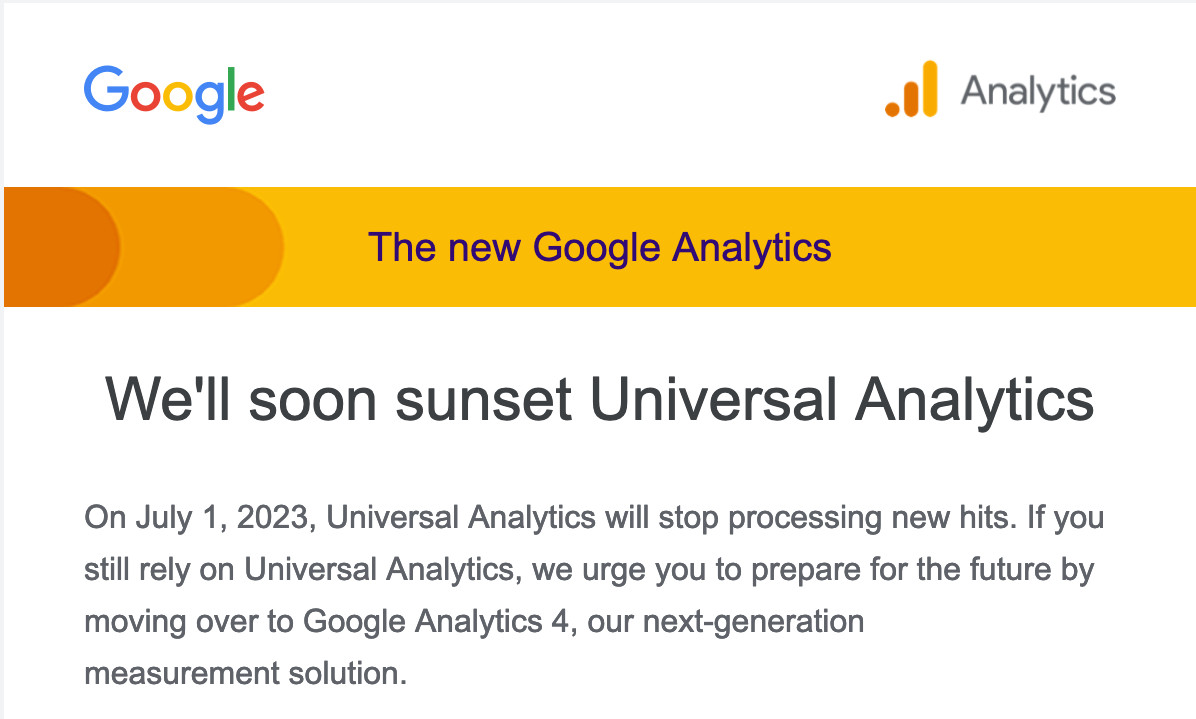
And if you do, then you might have seen some emails like these, telling you it’s time to update to GA4.

Sunset GA4

I ignored an email or two, but Google Analytics kept reminding me that this change was coming and that I needed to update.

I gave it a try – but quickly got frustrated, and so I reached out to two friends, Jade and Paul, for help.

They were kind enough to not only help get me updated to GA4, but they also recorded the entire thing to serve as a guide for anyone else navigating this change.

Here’s part 1:

Now, as you saw, they hit a snag when they didn’t have access to Google Tag Manager – so once I gave them the right permissions they continued on with part two of this process:

I know that sometimes it feels like there’s a never ending list of things to learn, especially for entrepreneurs. So I hope this post, and the videos you just watched, help this process feel clearer, and more manageable.

But, that said, if you would like help with this process don’t hesitate to reach out to Paul or Jade.

Remember, not everything that needs to be done needs to be done by you. You got this.

Takeaway Lessons from T&C 2022

Takeaway Lessons from T&C 2022

I used to spend a lot more of my time going to conferences. It is part of how I stay in the know on some of the latest trends and technologies. Lately, not so much.

But a couple weeks ago, I went back to my first in-person conference in almost three years and it reminded me why I have to do these things.

I found renewed motivation and excitement for what is going on in the industry.

I networked and talked with others who actually know what I do, understand my challenges, and can speak my language (My parents still think my job is made up…).

I have ideas flowing and my task list for my business, QBR, is growing.

So I wanted to share a few of the things I wrote down with you in case it sparks some ideas you need to jump on board with or get going for your business.

conference notes

Trends

  • Person focused– Just like me not being at a conference in several years, everyone is missing and craving some of the social and human interaction that is meaningful and real. The more you can add real human touch and emotion into your business, the more your audience can feel connected and relate to what you have going.

  • Sales cycle is getting longer across the majority of industries. This means that people are still buying but they are taking longer to get to that decision. The best thing you can do for this is to make sure your customer journey is prepared for this.

    Is your message clear and consistent from start to finish? Do you have lots of value and nurture prepared in their journey? (Here’s a great course if you want to revisit the process of planning out your customer journey.)

  • Flip the funnel– You will still bring people into your list with a free offer, but you can ask for your big sales quicker, but only from those who are really ready to buy. This means you have to know your audience well and know if they are ready to buy. More than ever, you need to ask a qualifying question up front to see if they are your ideal customer and in the right mindset to buy. If they are, start by offering your higher priced product and then go lower.

If they aren’t ready to buy right now, give them lots of value until they are ready instead of offering them lower priced products first.

Content

  • Email is still not dead and even making a comeback. But like everything else, you have to make it human and personal again. People are looking for real human touch behind everything.

Talk to your people and ask them before sales what their biggest challenge is right now?

You can automate things like sorting questions

“Are you more focused on X or Y right now?”

But then use that info – you can tailor their follow-up automation with dynamic content, and be ready for them to reply. You will need a real human to be able to answer any emails they send to keep those conversations going.

Keep them talking by asking them questions like, “Are you interested in…, and “Can you tell me more about…”

  • AI content is here, and only getting more powerful – honestly, it is pretty freaking cool. No, it isn’t perfect, but it can make writing go much faster if you are person who doesn’t love content, but you still need content.Blogs and videos should be feeding your content machines. It has never been a secret that content has been a big part of business but making sure you are using all the cogs (your website, blogs, social media, YouTube, Reels, all of it!) to work together to work as machine and interlinking everything is what keeps the business going.

    I know this can feel exhausting, but you don’t have to keep recreating new stuff. Find your pillar content and then repurpose it. And do it again and again.

    And use the technology out there to help you – like this one for Keap users.

social media icons

Social Media

  • Video is here to stay, so be your beautiful, weird self! (advice I still regularly give myself, btw)

Short videos and reels are one of the most popular and predicted items from almost every session I went to. This means that if you haven’t looked at reels and YouTube for your business, it might be time to take another look.

  • You will always be rewarded for using new features by the platform algorithm, so don’t be afraid to jump on and try new things-even if they don’t last.
  • PPC prices are increasing.
  • Organic social is harder than ever, and to gain traction with it, you must post…A LOT. Just keep that in mind if this is the strategy you are looking at for growth.

Design a plan you can stick to – what channels will you use? How often will you post? What types of content can you produce? Then put together a calendar that helps you stay with it.

Getting consistent with social media is a challenge for me – and for most people. But fighting intertia to get started is the hardest part, and the benefit is that once you’re in motion, the platforms reward your regular engagement, which helps you sustain the momentum.

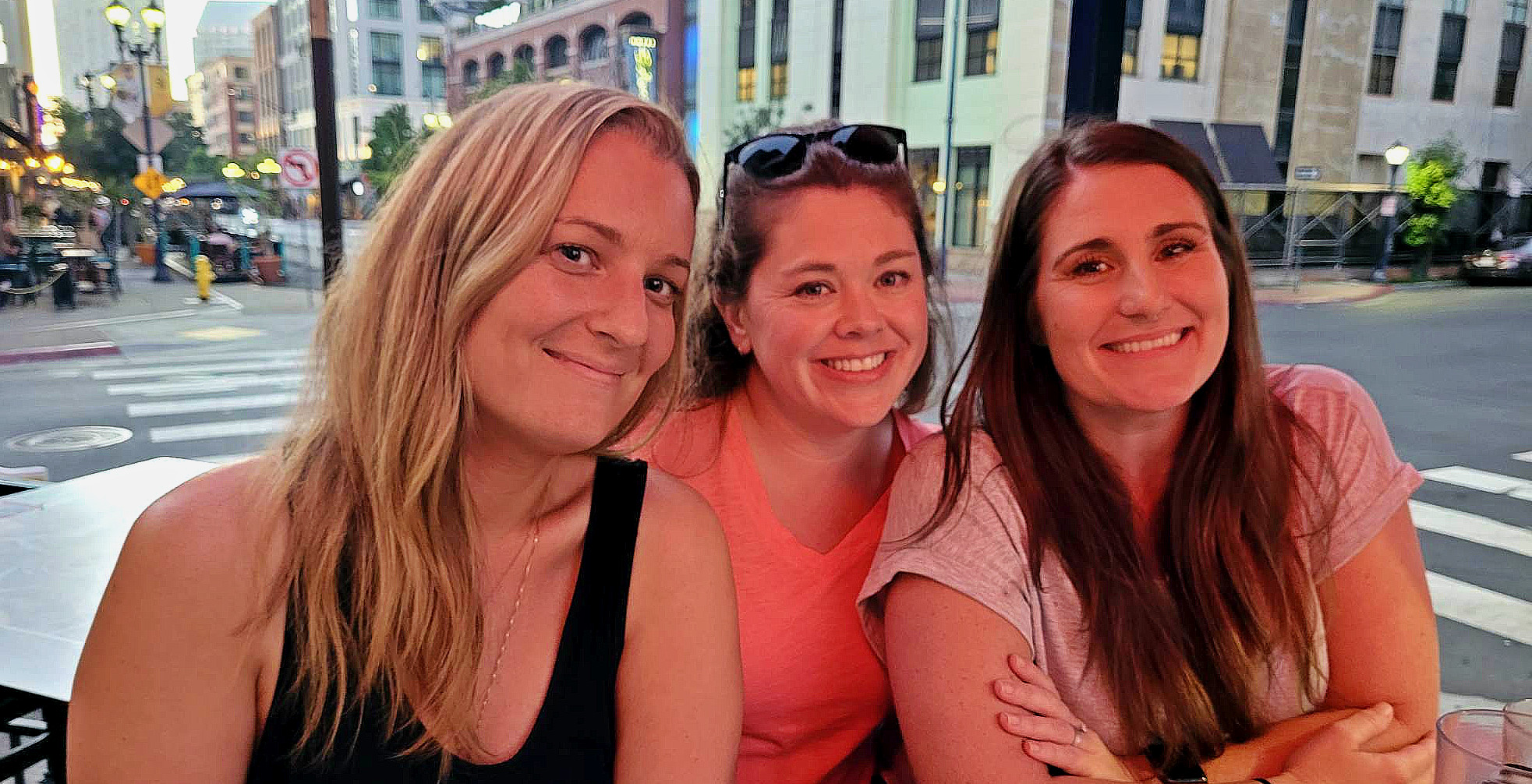
codi laura and jamie at happy hour

Connections

I’ll also add that one of the most valuable aspects of any conference is the ability to connect with people – either friends you already know (but mostly see online), or meeting new people, who may turn into meaningful long-term relationships.

This part of the conference is generally a little less predictable (there isn’t as much of a planned itinerary) but to me it’s just as valuable. Even as someone who is generally introverted, I find the social aspect recharges me, and the conversations are often just as rich and valuable as what happens in the actual event breakout sessions.

If you are looking to implement any of these or need support in your business, reach out or book a discovery call, and I would be happy to see if we can help take something off your plate.

I also want to encourage you to challenge yourself to invest in yourself and your business again, especially if it has been a while.

Get going on that project that has been on the back burner. Get in a room with others who inspire you. Make a move!